Duolingo Max Review: Is It Worth It for Kids?
Quick Summary
Duolingo Max is about $29.99 a month or about $167.99 a year in the US as of October 2026. It adds Roleplay and Video Call on top of Super. Confirm the charge on the app's upgrade screen.
Tags
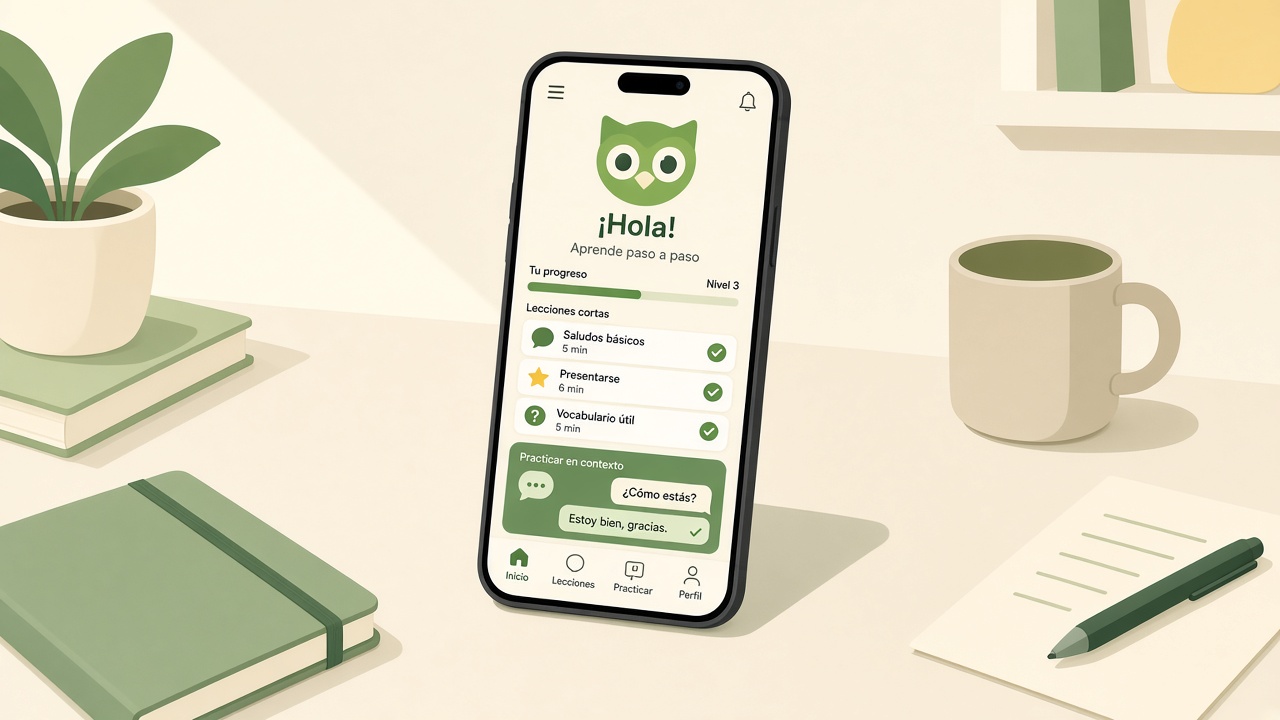
If a homeschooler wants Spanish, French, or another language without a stack of flashcards, Duolingo Max is the top tier of the Duolingo app. It keeps the short lessons and streaks, then adds conversation practice and explanations on top of Super.
We used Max with learners from about 8 to 16. In the US as of October 2026, Max is about $29.99 a month or about $167.99 a year. Duolingo still shows the charge on the upgrade screen, and that screen can differ from the figures below by store and region. Read it before you subscribe.
What Is Duolingo Max?
Duolingo Max is the highest personal subscription. It includes the Super benefits — unlimited hearts, no ads, and the Practice Hub — and adds the AI practice tools: Explain My Answer, Roleplay, and Video Call.
How the tiers fit together:
- Free: Core lessons, with limits on mistakes and with ads
- Super: Removes those free-tier limits and adds the premium practice tools that are not part of Max’s conversation features
- Super Family: Super for up to 6 people, $119.99 a year in the US as of October 2026
- Max: Super’s benefits plus Roleplay and Video Call, where those tools are available for the course, at about $29.99 a month or about $167.99 a year
- Max Family: Max for a household, about $239.99 a year
Max launched in 2023 and has expanded since. Full AI practice is not on every course. Spanish, French, German, Italian, and English for speakers of other languages are the usual starting points. Confirm the course you care about inside the app before you pay.
Duolingo Max Price in 2026
These are US prices as of October 2026. The Super amounts match Apple’s App Store listing for Duolingo: $12.99 a month, annual in-app prices of $83.99 and $95.99, and $119.99 for the family plan. Duolingo does not publish Max prices on the web, and Max does not appear in that App Store list. The Max figures below come from several 2026 price trackers that land on the same numbers, so each one is labeled “about.” The upgrade screen in the app is still the price you will be charged. It can vary by store and region.
US prices as of October 2026; the final price is shown in the app and can vary by store and region.
| Plan | Price | What you get |
|---|---|---|
| Free | $0 | Lessons with a mistake cap and ads |
| Super | $12.99/mo, or from about $83.99/yr (some accounts see $95.99) | Ad-free lessons without the free-tier mistake cap |
| Super Family | $119.99/yr for up to 6 people | Super on one plan for up to 6 people |
| Max | about $29.99/mo or about $167.99/yr | Super, plus Roleplay and Video Call on supported courses |
| Max Family | about $239.99/yr | Max for a household |
Open Duolingo on the device you will actually use and read the upgrade screen before you pay. That screen, not this table, is the charge for your account.
Free Version Limitations
The free app is still a real course. The limits are what push people toward Super or Max:
- A mistake cap (hearts) pauses practice until hearts return or you practice to earn them back
- Ads sit between lessons
- Roleplay and Video Call are Max tools. Whether Explain My Answer is included on the free plan is unconfirmed, so do not count on it being free
- Offline practice and some legendary-level review stay on the paid tiers
For a child who does one short lesson a day and does not mind ads, free Duolingo can be enough. The moment they want to know why an answer was wrong, or they need to speak, the free tier stops helping.
Kids and Age Policy
Duolingo’s terms set who may hold an account, and the company can change that rule. Read the current terms on duolingo.com before a child signs up. Younger children should use a profile a parent creates and supervises, not an account they opened alone.
In our testing, the explanations were the feature elementary-age kids could use on their own. Roleplay and Video Call made more sense once a child could read the prompts and stay in a conversation for a few minutes. Max is practice, not a complete language program, and a parent still needs to catch the occasional wrong explanation.
Key Features
Explain My Answer
After a question, the learner can ask why the response was right or wrong. The explanation covers the grammar or word choice in plain language. This was the feature our testers actually tapped. It removed the “I got it wrong and I don’t know why” stall that makes kids quit a streak.
Roleplay
Roleplay is a short chat with an AI character: ordering food, asking for directions, talking about a hobby. The conversation stays on a scenario, corrects gently, and runs a few minutes. It is useful speaking practice. It gets stiff if the child leaves the script.
Video Call
Video Call is a face-to-face practice session with an AI character, aimed at pronunciation and longer answers. Shy kids used it before they would speak to a person. It is not on every course, and it needs a quiet room and a parent nearby for younger learners.
Feature names and course coverage change. Confirm Explain My Answer, Roleplay, and Video Call on your language inside the app.
What Research Says About Duolingo
People searching for efficacy studies should start at Duolingo Research. That is Duolingo’s own research group. It publishes papers and summaries on how the courses teach vocabulary, grammar, and reading, and it is the right primary source for the “does Duolingo work” question.
Read those papers with two limits in mind:
- Most of the published efficacy work is about the core lessons, not Max’s Roleplay or Video Call. A study of the regular course does not prove the AI tier.
- Older independent write-ups, including the often-cited 2012 university evaluation of the app, predate Max by more than a decade. They are history, not a 2026 verdict on the subscription.
We did not find a large independent trial that isolates Max for children. In our own use, Explain My Answer kept kids in the lesson, and Roleplay got them speaking. That is a practice benefit. It is not the same thing as a measured proficiency gain. If you need a cited efficacy claim, quote Duolingo’s research pages and the date on the paper, and do not treat Max as if those papers tested it.
How Max Compares
| Duolingo Max | Rosetta Stone | Babbel | |
|---|---|---|---|
| Conversation practice | Roleplay and Video Call on supported courses | Immersion lessons, little open chat | Dialogue lessons, no Max-style AI chat |
| Explanations | On demand after an answer | In the lesson design | Written grammar notes |
| Lesson length | About 5–15 minutes | Longer sittings | About 15–30 minutes |
| Kid fit | Game-like, short sessions | Built for adults | Structured, less playful |
| Price | about $29.99/mo or about $167.99/yr | $19.99/mo monthly, or $159/yr ($13.25/mo) | from $8.95/mo on the 12-month plan ($107.40); $17.95 for 1 month; $299 lifetime |
Max wins on short sessions and on-demand explanations. Rosetta Stone and Babbel win when you want a traditional course shape. None of them replace a class. For a live teacher and a group, see our Outschool review. For homework in other subjects, see the Khanmigo review.
What Worked
Daily use went up once kids could ask why an answer failed. The explanations matched the question they had just missed, which a generic worksheet does not do. Roleplay gave them a place to make mistakes without an audience. Cultural notes showed up inside the chats often enough to be useful, and not so often that the lesson turned into a lecture.
Where It Falls Short
Max is about $29.99 a month, or about $167.99 a year, in the US as of October 2026. Max Family is about $239.99 a year. That is a real budget decision next to Super at $12.99 a month or from about $83.99 a year. Read the upgrade screen before you promise a child the plan, because the final charge can differ by store and region. Roleplay wanders poorly. Less common languages may not include the Max tools at all. The explanations are sometimes wrong or oversimplified, so a parent should spot-check, especially with younger kids.
Max is also a bad sole curriculum. It does not assign graded writing, it does not prepare a placement test, and it will not notice that a child is memorizing patterns without being able to hold a conversation outside the app.
Who Should Use It
Ages 8–10. Use Explain My Answer with a parent nearby. Roleplay needs help.
Ages 11–14. This is the group that used every tool without being pushed. Short daily sessions were enough.
Ages 15 and up. Video Call and longer roleplays can sit beside a class or a book. Teens still need real audio and real people.
Skip Max if the language you need does not include the AI tools, if your child hates the game format, or if about $29.99 a month (about $167.99 a year) is more than you will pay for practice. Free Duolingo plus library books, music, and a class on Outschool can cover the same goal.
The Bottom Line
Duolingo Max earns 4.5/5 as a practice layer, not as a complete course. The speaking tools are the reason to consider about $29.99 a month or about $167.99 a year. Super prices match Apple’s App Store listing. Max prices are tracker figures for the US as of October 2026, and the upgrade screen is the one that bills you.
Best for: Kids who will practice most days, families who want explanations after mistakes, and households already happy with Duolingo’s lessons.
Look elsewhere if: You need a teacher, a language Max does not support, or about $168 a year is more than practice is worth in your house.
Open Duolingo, check the upgrade screen in the app, and try the features on the course you actually need. If your child asks for the explanations and uses them, Max is doing the job. If they only want the streak, stay on the free lessons.
For subject help beyond language practice, the Khanmigo review covers a tutor with a published price. For a human class, start with the Outschool review.
Frequently Asked Questions
How much does Duolingo Max cost?
As of October 2026 in the US, Duolingo Max is about $29.99 a month or about $167.99 a year. Max Family is about $239.99 a year. Super, the tier under Max, is $12.99 a month or from about $83.99 a year, and some accounts see $95.99 a year. Super Family is $119.99 a year for up to 6 people. The final price is shown in the app and can vary by store and region.
Is Duolingo Max worth it for kids?
Max is worth it when a child already uses Duolingo and gets stuck without explanations or speaking practice. It is a weak fit for families who only want occasional exposure, for languages that do not include the Max tools, or for anyone who needs a full curriculum with a teacher.
What are Duolingo's free version limitations?
The free tier keeps the core lessons, then limits how many mistakes you can make before practice pauses, and it shows ads. Roleplay and Video Call are Max tools. Whether Explain My Answer is included without a subscription is unconfirmed, so do not count on it being free. Super removes the free-tier mistake cap and the ads.
Can kids use Duolingo Max?
Duolingo sets its own minimum age for an account in its terms, and that rule can change. Read the current terms before a child creates an account, and keep younger learners on a profile a parent manages. Max is a practice tool, not a substitute for supervision.
Does research say Duolingo works?
Duolingo publishes efficacy research at research.duolingo.com. Those studies are mostly about the core course, not Max. Treat Max's conversation features as promising practice tools with thinner independent evidence than the regular lessons.
What Parents Are Saying
Real experiences from parents who've used this tool with their children
Loading parent reviews...
No reviews yet
Be the first parent to share your experience with this educational tool!
Get Our Monthly Picks
Discover the best new educational tools for your kids. No spam, unsubscribe anytime.
Related Reviews
Browse All Reviews
Discover more educational tools