Epic Books Review: Is It Free for Homeschoolers?
Quick Summary
Epic is not free for homeschoolers. Epic Family is $13.99 a month or $84.99 a year ($7.25 a month) after a 7-day trial, with 40,000+ books, audiobooks, and videos.
Tags
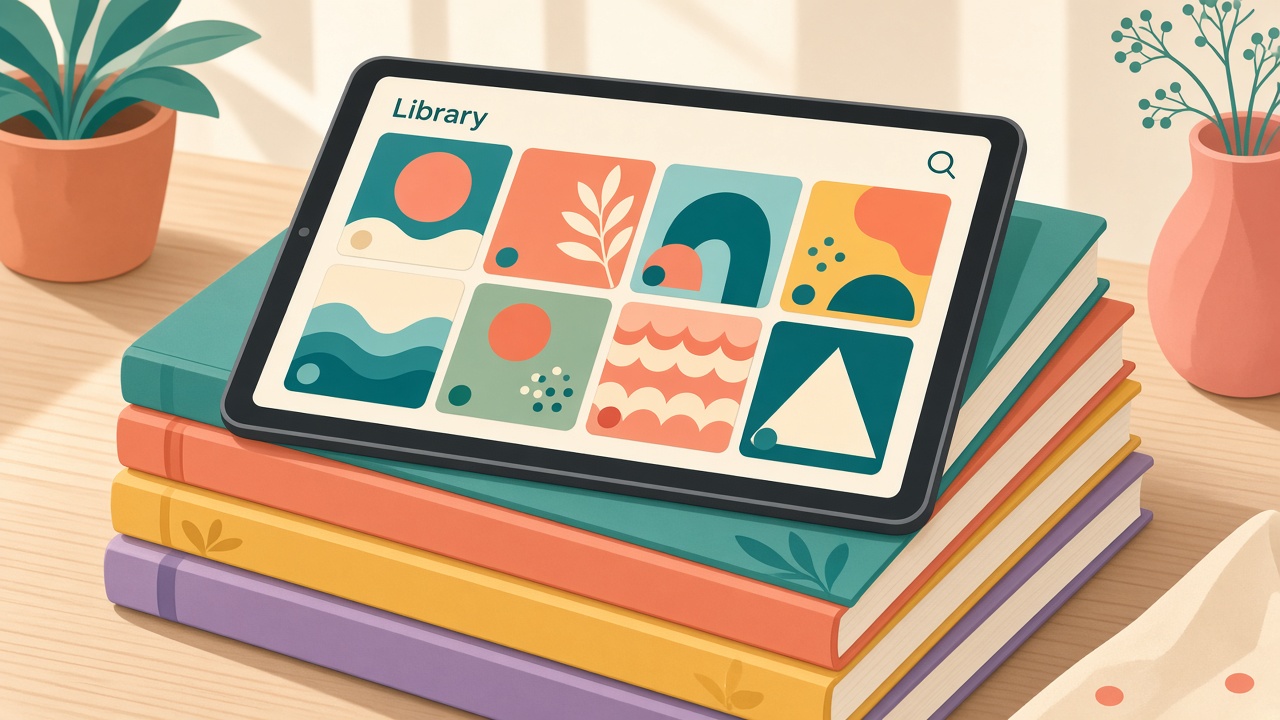
Epic is not free for homeschoolers. Homeschool families need Epic Family. The plan is $13.99 a month or $84.99 a year ($7.25 a month), with a 7-day trial. The library is the part that checks out: Epic offers 40,000+ books, audiobooks, and videos.
We read with three children, ages 6, 9, and 11, for three months. The catalog can raise how many books a child finishes. It can also become browsing. The price is small enough to test and specific enough that you should not rely on an old monthly figure from a previous school year.
How Much Is Epic in 2026?
This is the only price table in this review. Later sections do not repeat a second set of numbers.
| Offer | Price | Who it is for |
|---|---|---|
| Epic Family, monthly | $13.99/month | Homeschoolers and other families |
| Epic Family, yearly | $84.99/year ($7.25/month) | Families who will keep it past the trial |
| Trial | 7 days | Try Family before you pay |
| Free homeschool educator plan | Not available | Homeschoolers need Epic Family |
Source: Epic’s current Family checkout, checked 16 October 2026. Confirm it on getepic.com before you subscribe. One Epic Family subscription covers up to four child profiles, and several devices can be signed in at once (Epic help center). We are not listing a separate “Epic Basic” price, a school quote, or a Kindle or Audible comparison, because those figures were not part of the verified Family offer.
Is Epic Free for Homeschoolers?
No. That is the direct answer to the question parents type most often.
Homeschool families do not qualify for a free educator account that replaces the subscription. If you teach your own children at home, plan on Epic Family at $13.99 a month or $84.99 a year. Classroom teachers can use Epic School free on weekdays from 7am to 4pm with about 20,000 books. That school-hours account is not a home plan, so homeschoolers still need Epic Family. Do not send Epic an intent-to-homeschool letter and expect the paid library to unlock.
The 7-day Family trial is the free window. When it ends, the subscription starts at the price on the checkout screen.
What Is Epic?
Epic is a children’s digital library: books, read-alouds, and short videos in one app on phones, tablets, and computers. Epic states that the collection holds over 40,000 titles. The reading experience is built for children, from picture books through middle-grade fiction and nonfiction. Epic describes its library as books for ages 12 and under. Our testing was with ages 6, 9, and 11, and the catalog matched those readers. A child who has moved into young-adult novels will outgrow it.
What the app does well is ordinary and useful:
- Unlimited reading while the subscription is active, without a checkout limit
- Read-to-me narration that highlights words
- Offline downloads
- A log of books and time
- Collections a parent can build for a unit
- Up to four child profiles on one Family subscription, with several devices signed in at once
It is a library, not a phonics curriculum. It will not teach a child to read by itself.
How the Reading Experience Works
Setup is short. A parent creates the Family account, adds each child, and the app starts suggesting books. Early readers can browse by covers. That independence is the point, and it is also the risk, because browsing is not reading.
Read-to-me plays a narrator while the words highlight. Our 6-year-old lived here. It connects print to sound without a parent repeating the same picture book at bedtime.
Read alone is a normal page turn. This is the mode that actually practices decoding. If a child only uses read-to-me, they are listening.
Audiobook drops the text. Fine for the car. Weak as the only “reading” of the day.
Videos are short explainers next to the books. They are easy to overuse. We treated them as a supplement and kept books as the default.
Search covers title, author, subject, and series. Editorial collections (“space,” “feelings,” “biographies”) are better than the search box when a child does not know what they want. The “if you liked this” row sent our 9-year-old from one graphic novel to the next series over. That is discovery. It is also how a child avoids the harder book you assigned.
What parents can see
The log shows books finished, time, streaks, and badges. Some titles have a short quiz. The quizzes are recall, not a comprehension exam. They are enough for a homeschool portfolio note (“read these books, spent this many minutes”) and not enough to prove a child understood the plot. Ask them to retell it.
The Library
The 40,000+ claim is Epic’s own description of “high-quality books and videos,” and the shelf we used matched a real children’s library rather than a dump of public-domain files. Series our kids could finish included Diary of a Wimpy Kid, Dog Man, Magic Tree House, Who Was biographies, National Geographic readers, Elephant & Piggie, and Wings of Fire. Award lists show up: Caldecott, Newbery, Coretta Scott King, Pura Belpré. Nonfiction is a strength, especially photo-heavy science and biography. Spanish, French, and Chinese titles are there for a second language, in smaller numbers than the English shelf.
The gaps are part of the product:
- Specific curriculum titles are often missing. Our 11-year-old could not get a run of Percy Jackson.
- Licenses expire. A series can lose books 6 through 8 after you start book 1.
- Classics are thinner than the new graphic novels.
- Video quality jumps around. The books are the reason to pay.
If a title is a favorite, buy or borrow the paper copy. Epic is access, not ownership.
Different Readers
Reluctant readers
Unlimited choice matters more than the badge system. A child who hates the book you bought can close it without the “we paid for this” fight. High-interest nonfiction (games, animals, space) got our resistant reader to stay. Graphic novels were the on-ramp, then shorter nonfiction, then a chapter book they picked. Read-to-me removed the decoding panic while the highlighting kept print in front of them.
The failure mode is speed. A log full of “finished” books can mean they tapped through. If the retell is empty, the number is fake. We required a few sentences before the next book counted.
Heavy readers
A child who finishes several books a week will hit library hold lists. Epic removes the hold. It does not remove the ceiling. The catalog is children’s and middle-grade. A fast 11-year-old will read through the shelf they like and still need the public library for everything older. Recommendations help until the recommendations start repeating. Plan on Epic plus a library card, not Epic instead of one, once a child is reading constantly.
Early readers
Ages 4 to 8 are where read-to-me plus highlighting is doing literacy work: print, sound, and a picture at the same time. They will reread the same book forever, which is what you want, and the app does not get tired. Keep paper books in the same week. A tablet is a bad only-library for a child who is still learning to turn a page and sit with a person.
Does It Build Literacy or Screen Time?
Volume went up in our house. The 6-year-old stayed with highlighted read-alouds. The 9-year-old picked nonfiction for unit studies and graphic novels for the evening. The 11-year-old read more than the library alone was supplying, then started to run out of the harder fiction. Vocabulary showed up in conversation. Stamina moved from “a few minutes and I’m done” toward a half hour when the book was one they chose.
The same unlimited shelf creates skimming. Easy switching rewards starting over quitting. Quizzes will not catch that. Videos will fill the time if you let them.
What worked for us:
- A time rule (“30 minutes in one book”) instead of a books-finished rule
- A retell before they could switch
- Collections we built for the unit, so the shelf was not the whole catalog
- Read-alone time on purpose, not only narration
- A weekly look at the log for one-minute “books”
Homeschool Use
Epic is a supplement. It is not the reading curriculum, and it is not free because you homeschool.
Unit studies. We built an ocean collection and let the children read while the experiments happened. Ancient history, weather, biographies, and geography collections are the same idea. You will not get every spine title in a boxed curriculum. You will get twenty books around the topic on a Tuesday night, which a small-town library often cannot do.
Living books. Narrative nonfiction and biographies fit a Charlotte Mason shelf better than a textbook does. Purists will still want paper for narration and for the book as an object. Both can be true.
Phonics. After a lesson, we looked for a book that used the pattern. Epic did not replace All About Reading, Logic of English, or any other explicit program. It gave us more practice text than we were going to buy in decodables. Listening mode does not count as that practice.
Literature programs. Five in a Row, Sonlight, and similar book lists will not line up title for title. Use Epic for the related reading and the choice books, and own the spines.
The assignment tools people remember from a free educator login are not the homeschool offer. On Family, you can still make collections and read the log. You cannot treat Epic as a free classroom platform you unlocked with homeschool paperwork.
What Is Worth Paying For
Volume without holds. Several children can read the same afternoon without a library trip. That is the Family plan doing its job.
Read-to-me. Highlighted narration is the feature we would miss if we canceled. It is the difference between a PDF shelf and a tool a beginning reader can use alone.
The next book immediately. Sequels and “like this” suggestions keep a streak of real reading going. They also keep a streak of fake reading going. The parent rule decides which one you get.
Nonfiction on demand. Unit studies got cheaper in time, not because the books were free, but because we were not driving for twenty titles on one topic.
A record. Minutes and titles are enough for many homeschool logs. They are not an assessment.
Limits
It is another screen. Reading on a tablet counts toward the day’s devices. Families who cap screens tightly may not get enough hours to justify $13.99 a month.
Skimming. Unlimited choice trains quitting. You have to add friction back.
Missing and rotating books. Licensing is the business. A child in the middle of a series can lose the next book. Buy the ones they love.
The catalog ends. Epic describes its library as books for ages 12 and under. Young-adult readers need a different library. The practical test is the shelf: if the books they want are not in it, cancel.
Paper still matters. Some children attend more to a book they hold. Epic does not replace read-aloud on the couch.
Quizzes are thin. Do not outsource comprehension to them.
The device has to work. A dead battery is a closed library. Paper does not have that failure.
What Families Actually Ran Into
These are patterns from our three months, not a set of named case studies.
A reluctant reader used Dog Man and animal nonfiction as the way in, then spent part of the session in read-alone mode. The win was time in print without a fight. Phonics lessons still happened separately. Epic did not fix a decoding problem. It gave him text he would tolerate.
A household of constant readers will feel the time savings first. Holds and driving shrink. The older child then ages out of the shelf and goes back to the library for older fiction. Budget the Family plan for the children who still fit the catalog, and do not expect one login to cover a teenager.
The balanced house kept paper books for the read-aloud and the novels they wanted to own, and used Epic for graphic novels and unit-study nonfiction. That was the most sustainable version. The app was a wing of the reading life, not the building.
The house that canceled had the skimming problem and a screen-time limit. Quantity on the dashboard went up. Retells got worse. They went back to library books and read fewer titles with more attention. That is a successful use of the 7-day trial, even though it ends in a no.
Devices, Downloads, and Parent Controls
Epic Family runs in the browser and in the iOS and Android apps. We used a tablet for the younger children and a laptop for the 11-year-old. There is no native TV app to plan around. If you want a book on a television, you are mirroring a tablet, and the highlight-follow on read-to-me survives that better than a laptop trackpad does. Do not buy a streaming device for Epic.
Downloads are per device. A book saved on the tablet is not automatically on the phone. Before a trip, open each child’s profile and download the specific titles. Storage is the limit, not the subscription. We learned that the hard way on a Friday with a full iPad and a six-hour drive.
Profiles are how the log stays honest. The 6-year-old’s read-to-me time should not land on the 11-year-old’s record, and the free-choice graphic novels should not look like the unit-study shelf. Name the profiles, and do not let them share one “kids” login because it is faster. You will not be able to tell who read.
Parent controls are enough to fence the app and not enough to teach. You can see time and titles. You cannot make the app refuse a too-easy book or require a quiz. The retell rule lives outside Epic, on paper or at the table. Badges and streaks will do the motivating if you let them, and they will also reward the child who games the counter. Turn the celebration down for that child and keep it for the one who needs a reason to open the next chapter.
Offline mode is the feature that makes Epic Family feel different from a website full of PDFs. It is also the feature that fails silently if you forget the download. Build the habit in the trial week, not on the vacation morning.
A Week on Epic Family
The trial is seven days, so the test has to be specific. We did not “see if they like the app.” We watched whether a book stayed open.
Day 1. Each child picks from the covers with no assignment. Note the first book and whether they finish it or flip. Our 6-year-old stayed in read-to-me. Our 9-year-old opened four graphic novels and finished one. That ratio is the number that matters.
Days 2 and 3. Add one parent-chosen book in a collection, next to the free choice. For us that was an ocean title during a unit, not a random award winner. If the assigned book never opens, Epic is a leisure shelf. That can still be worth Epic Family. It is not a curriculum.
Days 4 and 5. Turn videos off, or put them after the reading time. Then require a retell: three sentences, or a drawing with labels for the younger child. This is the day skimming shows up. A dashboard full of badges and an empty retell means the log is measuring taps.
Days 6 and 7. Try offline. Download a few books, turn the wifi off, and see if the car or the waiting room actually gets used. Then decide. Monthly at $13.99 if you are unsure. Yearly at $84.99 ($7.25 a month) if the retells were real. Cancel if the week was browsing.
What the Shelf Contains, in Practice
Breadth is the honest selling point, and it is uneven in a way you can plan around.
Fiction runs from board books and early readers through middle-grade fantasy, realistic stories, mystery, poetry, and folktales. Graphic novels are deep enough that a reluctant reader can live there for months. Chapter-book series are deep until a license hole appears. When we could not find the next Percy Jackson, the fix was the library, not a support ticket.
Nonfiction is why many homeschoolers stay after the novelty fades. National Geographic-style readers, biographies, science explainers, geography, and “how it works” books are easy to pile into a collection. A small branch library cannot match “twenty books on ancient Egypt tonight.” Epic can, some of the time, and then a title vanishes. Teach the child that digital shelves move.
Read-aloud picture books are the early-reader engine. Highlighting plus a human-sounding narrator is more useful than another phonics worksheet once the pattern has been taught. It is less useful if it replaces the parent read-aloud. We kept both: Epic for the independent replay, paper for the lap.
Other languages exist, including Spanish, French, and Chinese, in much smaller sets than English. Enough for a supplement next to a class. Not enough to be the class. A child learning to speak needs the Duolingo Max review kind of practice, or a person, on top of these books.
Video is the category to fence in. Some of it is the same quality as the books. Some of it is a short cartoon standing in for reading. We allowed video after the time goal, not before.
Awards are a real browsing path, not a sticker on the marketing page. Caldecott and Newbery lists, Coretta Scott King, and Pura Belpré titles showed up in search and in collections. That is how we found books we would not have requested at a desk. It is also not a complete award archive. If a curriculum names one picture book, search it before you promise it.
Homeschool Routines That Survived the Trial
Collections as the assignment. The Family plan does not hand you a free teacher console. You can still build a shelf. Name it for the unit, put eight to fifteen books on it, and tell the child the week’s reading comes from that shelf plus one free choice. Ancient civilizations, weather, the human body, biographies of artists, and “books about being new somewhere” all worked. The constraint is the point. The full catalog is too big for a school day.
Reading log without the theater. Export or screenshot the time and the titles once a week. For a portfolio, a sentence of retell next to the title is stronger than the badge. We stopped showing the streak to the child who was gaming it.
Pairing with a phonics lesson. After the pattern of the day, search a short book that uses it. Read-to-me can replay the pattern. Read-alone is the actual practice. Epic never told us which decodable matched the lesson. A parent still has to look. Programs such as All About Reading or Logic of English stay in charge. Epic is the extra text.
Several children at once. Profiles keep the logs apart, which matters when a 6-year-old and an 11-year-old share a tablet schedule. They can read at the same time on two devices. You do not need a separate Family plan per child. You do need a rule for whose turn the offline downloads are on, because storage fills up.
The car and the clinic. Offline downloads were the unglamorous win. Motion-sick kids who cannot read paper can listen. Download before you leave. The app will not save you in a parking garage with an empty device.
Epic and the Public Library
The library is still the right default, and it is free. Epic Family is the tool for the gaps: holds on the series everyone wants, a branch with a thin children’s nonfiction shelf, a drive that eats the afternoon, or a week when you cannot get there. Families with a strong library and one light reader will not feel $13.99. Families with three readers and a hold list will.
We did not stack Epic against a Kindle kids plan or an audiobook credit plan. Those prices move, and they were not part of what we could verify next to Epic Family. The practical comparison is time and availability. Paper you own is still the copy that cannot expire mid-series. Epic is the copy you can open tonight.
Where Families Went Wrong
The mistakes were consistent, and they are avoidable in the trial week.
Treating the finished-book count as progress. The child who “read” six books in a half hour did not read six books. Switch the goal to minutes in one title.
Letting video count as reading time. It will, if you do not say otherwise.
Assuming homeschool status unlocks the educator tools. It does not. The signup that matches this review is Epic Family.
Buying the year before the retell test. $84.99 is the better rate only after you know the app is used. The 7-day trial exists so you do not guess.
Dropping the paper read-aloud because the app has a narrator. The narrator does not ask questions. You do.
Who Should Subscribe
Subscribe if you have more than one young reader, a reluctant reader who will choose graphic novels, a unit-study habit that needs piles of nonfiction, or a long drive to the library. Use the yearly price, $84.99 ($7.25 a month), if the 7-day trial shows real reading. Stay on $13.99 a month if you are still unsure.
Do not subscribe if screen time is already the fight, if your children read rarely, if the public library is excellent and close, or if they want young-adult books this catalog does not hold. A free educator application is not the alternative. The alternative is the library, paper books, and read-aloud.
Verdict
Epic Family is a good children’s library at a published price, and it is the plan homeschoolers have to buy. 4.5/5 for families whose kids will read inside it. The points off are for skimming, rotating licenses, the screen, and the day the catalog is too young.
Use the trial on purpose:
- Skip any “homeschool educator” signup. It will not make Epic free.
- Put each child in one book they chose and one book you chose.
- Require a retell.
- Watch whether videos replace books.
- On day seven, decide between $13.99 a month, $84.99 a year, or cancel.
Forty thousand books do not help a child who will not stay on a page. A child who will stay on a page, especially more than one of them, will get more reading out of Epic Family than the subscription costs in trips and holds. Start at getepic.com and read the Family price there before the trial clock starts.
For the writing side of a literacy block, see our creative writing apps guide. Epic gets the reading in. It will not make them write.
Frequently Asked Questions
Is Epic free for homeschoolers?
No. Homeschool families do not get Epic free. They need an Epic Family subscription. Epic Family is $13.99 a month or $84.99 a year, which works out to $7.25 a month, after a 7-day trial. Classroom teachers can use Epic School free on weekdays from 7am to 4pm with about 20,000 books. That school-hours account is not a home plan.
How much does the Epic reading app cost?
Epic Family is $13.99 a month or $84.99 a year ($7.25 a month). One subscription covers up to four child profiles, and several devices can be signed in at once. There is a 7-day trial. Confirm the checkout on getepic.com before you pay.
How much is the Epic reading app?
The home plan is Epic Family at $13.99 a month or $84.99 a year. The yearly price is the one that equals $7.25 a month. Homeschoolers use this plan. They are not on a free educator account.
Is the Epic app worth it?
Epic Family is worth it when more than one child reads often, when you want read-aloud with word highlighting, or when the library cannot supply the nonfiction you need for a unit study. It is a weak fit if your children rarely read, if you avoid screens, or if they already need young-adult books the children's catalog does not carry.
Does Epic have a free trial?
Epic Family includes a 7-day trial. Use that week to see whether your children read or only browse. A longer trial is not what the current Family offer states.
What Parents Are Saying
Real experiences from parents who've used this tool with their children
Loading parent reviews...
No reviews yet
Be the first parent to share your experience with this educational tool!
Get Our Monthly Picks
Discover the best new educational tools for your kids. No spam, unsubscribe anytime.
Related Reviews
Browse All Reviews
Discover more educational tools